
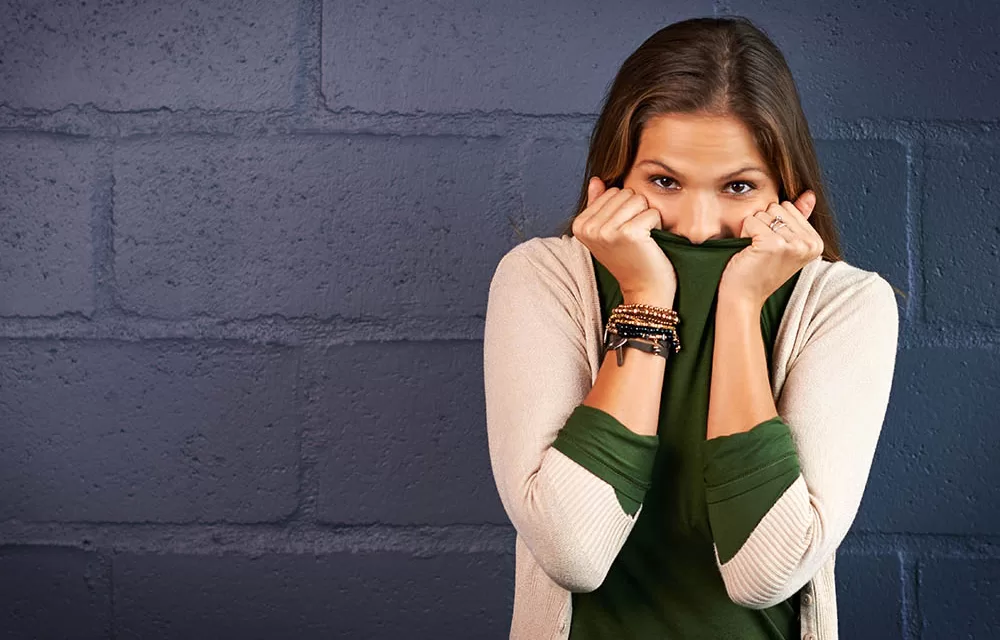
Not every quiet moment or desire for solitude makes someone an introvert.
In a world that often assumes all quiet people are simply “introverted”, it’s easy to misunderstand the reasons behind certain social tendencies.
Whether you find yourself avoiding social gatherings, feeling tense around new people, or simply craving more downtime, you might wonder if you’re genuinely introverted, shy, or dealing with social anxiety.
This article will help you uncover the differences between these traits, so you can navigate your social world with greater ease and self-understanding.
Defining introversion, shyness, and social anxiety
Introversion
Introversion is less about avoiding social interaction and more about how you recharge.
Introverts typically feel energized by solo activities and smaller, meaningful conversations, preferring these over the hustle and bustle of crowded gatherings.
Unlike shyness or social anxiety, introversion doesn’t stem from discomfort or fear around others — it’s a natural preference.
An introvert might enjoy a party but feel mentally drained afterward, needing time alone to recharge.
Recognizing this as a preference rather than avoidance can be a crucial first step.
Shyness
Shyness is a bit different.
It’s not about preference, but rather an emotional response that occurs in social situations — often involving hesitation or slight discomfort when meeting new people.
For shy individuals, entering an unfamiliar social setting can trigger nervousness, but this feeling may ease as they become more comfortable.
Shyness doesn’t always prevent social engagement; it may just make initial encounters feel a bit awkward or intimidating.
Social anxiety
Social anxiety, on the other hand, is often deeper and can be far more challenging than simple shyness.
Those with social anxiety often experience intense worry about being judged, humiliated, or negatively evaluated by others.
This fear can manifest in physical symptoms like sweating, trembling, or an increased heart rate.
Social anxiety can also lead to avoiding certain situations entirely, impacting work, relationships, and day-to-day life.
Unlike introversion, which is a choice of comfort, or shyness, which may lessen over time, social anxiety is persistent and may need specific strategies to manage effectively.
Key signs to help you identify each trait
Knowing the signs of each trait can make it easier to recognize what’s really going on with your social interactions:
Signs of introversion
If you’re introverted, weekends might be your favorite time to dive into a good book, work on a solo project, or simply enjoy some quiet reflection.
While introverts don’t necessarily avoid social gatherings, they often find that being around people, especially in larger groups, can feel draining after a while.
Attending a party or large event might be enjoyable for a few hours, but afterward, you’ll likely need some downtime to feel fully recharged.
Introverts also tend to prioritize depth over breadth in their connections.
Instead of bouncing between shallow conversations, they prefer intimate discussions that dig into meaningful topics.
It’s not uncommon for an introvert to seek out one or two close friends at a party rather than mingling with a large group.
Even in a professional setting, introverts may feel more comfortable in one-on-one meetings or small team collaborations, where they can engage deeply without the distractions of a crowded room.
Introversion doesn’t imply a dislike of people; rather, it’s about energy management.
Introverts find comfort and renewal in solitude and select social interactions that resonate on a deeper level, enabling them to stay true to their inner selves.
Indicators of shyness
Shyness often appears as a physical or emotional reaction when faced with new or unfamiliar social situations.
You might feel your pulse quicken before entering a room full of people or notice your palms getting a bit clammy at the thought of introducing yourself to a stranger.
Shy individuals often experience an internal tension between wanting to engage socially and feeling apprehensive about how they’ll come across.
While this initial hesitation may be uncomfortable, it doesn’t usually prevent them from participating.
For many shy individuals, the discomfort eases once they warm up to their surroundings or become more familiar with the people present.
For example, a shy person might feel nervous about attending a friend’s party but gradually become comfortable and more talkative as the evening goes on.
Shyness often fluctuates depending on the context — familiar faces and places can make the shy person feel at ease, while unknown environments might bring out the initial hesitance.
Interestingly, shyness doesn’t have to be permanent.
Many shy individuals find that with practice and experience, their confidence grows, allowing them to navigate social interactions more smoothly.
Shyness is less about avoidance and more about adapting to social dynamics in a way that feels safe and manageable.
Social anxiety signals
Social anxiety differs from shyness in its intensity and persistence.
If social anxiety is present, the anticipation of a social event can feel overwhelming, even days in advance.
You might find yourself replaying worst-case scenarios in your mind, worrying about how you’ll be perceived, or picturing situations where you might accidentally embarrass yourself.
This pre-event dread can be powerful enough to trigger physical symptoms, such as a racing heartbeat, nausea, sweating, or even shaking.
During social interactions, people with social anxiety often feel highly self-conscious, as if they’re being scrutinized by those around them.
Simple tasks, like ordering food in a crowded restaurant or making a phone call, can feel daunting.
The fear of judgment or rejection can become so intense that avoidance may feel like the only option, impacting personal and professional life over time.
Unlike shyness, which may lessen as a person grows more comfortable, social anxiety can be deeply rooted and persistent, often requiring targeted strategies for management.
Those who experience social anxiety may benefit from techniques like grounding exercises to calm their nerves, as well as professional support to help reduce the hold it has on their lives.
Social anxiety isn’t just about being uncomfortable — it’s a challenging experience that can affect self-esteem and make routine social interactions feel like major obstacles.
Why understanding the difference matters
Being able to distinguish between introversion, shyness, and social anxiety brings personal clarity.
Self-awareness is essential because it helps you navigate situations with greater confidence and set boundaries based on genuine needs.
For example, if you’re introverted, understanding your natural need for solitude can help you recharge without feeling guilty.
If you’re shy, knowing this can push you to ease social discomfort gradually rather than avoiding situations entirely.
And if social anxiety is a factor, recognizing it can be the first step toward managing it effectively and finding support when needed.
Practical tips for each personality type
Knowing your tendencies allows you to better manage social situations in a way that feels authentic and comfortable.
Here are some tailored tips:
If you’re introverted
Embrace the power of boundaries.
Allow yourself moments of solitude before and after social engagements to recharge.
Avoid overbooking yourself with back-to-back events.
When you do attend gatherings, seek out quieter spaces if you start feeling drained.
Introverts thrive on depth, so prioritize quality interactions over quantity, connecting deeply with a few people rather than spreading yourself thin.
For those who are shy
Gradual exposure can be transformative.
Start by engaging in smaller social scenarios where you feel more at ease, such as speaking to one person rather than a group.
Celebrate small victories, like introducing yourself to someone new, and give yourself grace if it doesn’t always go smoothly.
Shyness can fade as confidence grows, so look for moments to gently push beyond your comfort zone.
Managing social anxiety
Social anxiety can be a significant hurdle, but small steps can help.
Breathing exercises and grounding techniques can calm the body’s fight-or-flight response in stressful moments.
Building social skills gradually and seeking support — whether through a friend, support group, or therapy — can make a world of difference.
Remember, the goal isn’t to eliminate anxiety entirely but to make it more manageable so that it doesn’t hold you back.
If you’re starting to notice patterns that point to introversion, shyness, or social anxiety, that’s a valuable discovery.
Embracing what’s true for you allows you to make better social choices that suit your needs and preferences.
Let this understanding guide you to create a life that’s both socially fulfilling and comfortable, without unnecessary pressure.
Tags: introversion, shyness, social anxiety, introverted vs shy, signs of introversion, social anxiety symptoms, introvert personality, difference between shyness and introversion, how to tell if introverted or shy, understanding social anxiety, understanding personality types, in001